
nutrition

Vitamin B12 Basics & Mass Supplementation in Livestock

We have all heard about Vitamin B12 and have possibly asked someone following a vegan diet where they get their B12 from. However, many people don’t actually know where B12 is made, how we obtain B12, and how much we should consume based on the scientific consensus. Thus, I have decided to write a blog on a few key points on this very important vitamin. 

What is Vitamin B12?

Vitamin B12 also known as Cobalamin is a water-soluble vitamin that plays a very important role in many bodily functions. Vitamin B12 is one of eight B vitamins, and is involved in keeping the body’s nerves & red blood cells healthy and even helps in making DNA. This vitamin is only produced by a few organisms such as bacteria and archaea (single celled organisms similar to bacteria).

These organisms were commonly found in grass, soil, and water streams. Usually the B12 producing bacteria are eaten by cows and other animals grazing on the fresh grass. Once eaten, the bacteria resides in the cow’s digestive system (specifically in the gut, or stomach) and produces vitamin B12 as a by-product from its metabolism. This molecule is essential for cows and other grazing animals. However, this beautiful and natural process is not very common anymore. 

Industrialization and factory farming have completely changed this natural process in order to maximize profit, and dominate the food market. So, the tiny little organisms previously mentioned, are not part of this process anymore, the fresh grass and pure water are also not in the picture anymore either.

B12 And Supplementation in Livestock

In order to sustain the dietary need for Vitamin B12, a new process needed to be created called supplementation. The majority of animal products purchased today are now supplemented with B12 in their animal feed, and/or through injectable B12. Crazy right?  
Supplementation is now required because animals used for food do not have access to fresh air, grass or water. Even if livestock is “free-range” or raised outside, there is a lack of Cobalt in the soil which is crucial for the tiny little organisms to survive. Fields that contain less than 2ppm of Cobalt are deemed unfit for grazing and therefore Vitamin B12 is supplemented into animal feed or injected directly.

It is crucial for people to understand that everyone who consumes animal products is indirectly supplementing with B12, without even knowing it!

There is nothing wrong with supplementation of B12. In fact, the Institution of Medicine has recommended anyone who is vegan, vegetarian or over 50 to directly supplement with B vitamins. However, this does not mean that you should recycle all of the stuff added into animal feed in your body to enjoy the benefits of vitamin B12. Vitamin B12 derived from animal products also comes with all of the harmful factors found in meat. Therefore, you can limit your intake of animal products containing added B12, and instead you can add fortified foods like soy milk (full of phystoestrogens) or nutritional yeast to your diet which are more pure ways to get your daily dose.

Vitamin B12 is crucial for us, this tiny little molecule helps red blood cell formation, aids in neurological functions, DNA production, and many other physiological processes. Thus, we need B12 to be present in our diets and everyday lives in order to achieve optimal health. 

Nutritional Yeast: A Natural & Healthy Way to obtain B12

Nutritional yeast is a great way to naturally get your daily dose of B12. Nutritional yeast is a kind of yeast that’s grown specifically to be used in food products and has a cheesy, nutty flavour. I personally love it and use it on everything! Not only does it add flavour to foods & sauces, it also has many health benefits:

  • It contains so many B vitamins! One tablespoon of nutritional yeast contains 30-80% of the RDI (reference daily intake) for B vitamins.
  • It’s a complete protein. That’s right- just one tablespoon has 2 grams of protein and all nine essential amino acids!
  • It contains lots of trace minerals. Trace minerals are important because they aid in gene regulation, growth, immunity & metabolism. One tablespoon contains 2-30% RDI of trace minerals such as zinc, selenium and manganese.

I usually get nutritional yeast from a bulk food store such as bulk barn because that’s where it’s the cheapest!

Recommended Daily Intake

The National Institute of Health recommends that adults (over 14) should consume about 2.4 mcg of vitamin B12, pregnant woman 2.6 mcg, and breastfeeding woman 2.8 mcg.

However, Dietary B12 supplements usually in the form of Cyanocobalamin are not totally absorbed when consumed, for example only 10-mcg of a 500-mcg oral supplement is actually absorbed by our bodies. So don’t get spooked out by the large dosages advertised on the tablets because Vitamin B12 is water soluble, meaning that any extra B12 in your body will be excreted through urination.  

However, vitamin deficiencies are very common and many of us may be deficient without even knowing it. 

Vitamin B12 deficiencies are commonly associated with anemia, fatigue, weakness, loss of appetite and weight loss. Other side effects of B12 deficiencies may be numbness and tingling in feet, depression, confusion, poor memory, and various others. However, People deficient of B12 can be treated with B12 injections in order to increase the vitamin absorption in the body.

The main reason why people become Vitamin B12 deficient is because of inadequate absorption. Older adults who suffer from digestive conditions such as Atrophic Gastritis typically have difficulty absorbing vitamins & nutrients due to a lack of stomach acid, thus, B12 deficiencies are more common amongst older individuals. People who have been diagnosed with intestinal conditions such as Crohn’s and Celiac disease also have difficulties absorbing vitamin B12 from their diets. That’s why direct supplementation of B12 from fortified foods and B12 oral supplements are the best remedies for a diet with low levels of B12 absorption. 


Sources

Bernhardt, C., Zhu, X., Schütz, D., Fischer, M., & Bisping, B. (2019). Cobalamin is produced by Acetobacter pasteurianus DSM 3509. Applied Microbiology and Biotechnology,103(9), 3875-3885. doi:10.1007/s00253-019-09704-3

Rizzo, G., Laganà, A., Rapisarda, A., Ferrera, G. L., Buscema, M., Rossetti, P., . . . Vitale, S. (2016). Vitamin B12 among Vegetarians: Status, Assessment and Supplementation. Nutrients,8(12), 767. doi:10.3390/nu8120767

Herbert, V. (1988). Vitamin B-12: Plant sources, requirements, and assay. The American Journal of Clinical Nutrition,48(3), 852-858. doi:10.1093/ajcn/48.3.852

Vitamin B-12. (2017, October 17). Retrieved from https://www.mayoclinic.org/drugs-supplements-vitamin-b12/art-20363663

Institute of Medicine. Food and Nutrition Board. Dietary Reference Intakes: Thiamin, Riboflavin, Niacin, Vitamin B6, Folate, Vitamin B12, Pantothenic Acid, Biotin, and Choline. Washington, DC: National Academy Press, 1998.

Office of Dietary Supplements – Vitamin B12. (n.d.). Retrieved from https://ods.od.nih.gov/factsheets/VitaminB12-HealthProfessional/#en12

Vitamin B12. (n.d.). Retrieved from https://www.dsm.com/markets/anh/en_US/Compendium/ruminants/vitamin_B12.html

nutrition

Busting The Soy & Estrogen Myth

So, we have all heard the myth that soy products affect hormone levels in both men and women, causing drastic side effects like spikes in estrogen or causing breast tissue to grow. However, these myths were popularized by certain individuals with their own agenda and thus, I have decided to write a blog on the benefits of phytoestrogens which are the main component in soy products.

Functional Foods

The idea that food contains nutritional properties as well as organic functions is becoming more accepted by the scientific community. Functional foods are foods that make us healthy and are common in diets high in whole plant based foods. Functional foods have the ability to regulate body functions in order to protect against diseases such as hypertension, diabetes, cancer, coronary heart disease and many others.

Phytoestrogen vs Mammalian Estrogen

Functional foods consist of many different groups, however phytoestrogens are a large component. Phytoestrogens are a very special type of molecule that help our bodies feel good and look great.

Phyto means derived from plants, thus phytoestrogen is estrogen that naturally occurs in plants such as legumes, soy, flaxseed and mulberries. Phytoestrogens are beneficial to our health because when our bodies break down phytoestrogens, the molecules that are formed help regulate biological reactions. Meaning that phytoestrogens can connect to some receptors as mammalian estrogen, however phytoestrogen is like a key that can open a door, but leaves the screen door closed- which blocks out all of the bad things.

In contrast, mammalian estrogen which is naturally produced by us or consumed in dairy products, can fully open the door which leaves us vulnerable to diseases & chronic problems.

Estrogen & Other Hormones in Dairy Products

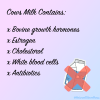
The interesting thing about estrogen & food intake is the fact that not many people associate dairy with it, even though cows must be genetically altered in order to continuously produce milk. The hard truth is that dairy is a much more significant source of female hormone exposure. Commercial dairy cows contain high amounts of estrogen and progesterone and are impregnated just to sustain the demand for cows milk. Even dairy products that are labelled as organic, or no hormones added contain high amounts of hormones because many of them are naturally produced by cows, even if they have not been given additional hormones.

  • One study concluded that when men and children consume milk, estrogens are absorbed and gonadotropin secretion becomes suppressed, followed by a decrease in testosterone secretion.
  • This study also concluded that milk consumption was responsible for significantly increased levels of estradiol and progesterone in adults and children.

Phytoestrogen Benefits

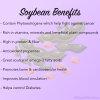
Phytoestrogens are classified into 7 groups- the main groups are isoflavones, lignons and coumestans:

Isoflavones are mainly found in soy products.

Lignons are commonly found in plants & grains rich in fiber such as wheat, barley, oats, beans, lentils, asparagus, broccoli, carrots.

Coumestands are found in peas, beans and alfalfa shoots.

Phytoestrogens are a crucial component of a healthy diet, research has shown that phytoestrogens are very beneficial in the reduction of menopausal symptoms. The health benefits of Eastern diets is generally associated with the consumption of high quality proteins found in soy. In Eastern countries, soy is part of the traditional diet and contains an average of 15-50/mg a day of isoflavones from soy. Whereas the Western diet only contains an average of 2/mg a day of isoflavones from soy. The lack of soy in the Western diet is preventing many of us from benefiting from all of the great qualities attributed to phytoestrogens.

Research

So since I have introduced the foods that contain phytoestrogens, as well as why phytoestrogens are beneficial when compared to mammalian estrogen, I think now would be a great time to show the research that support these claims!

  • The first area of research that has shown substantial evidence that phytoestrogens are beneficial in the human body is Menopause. Research has shown that supplementation of genistein (one of the 7 groups of phytoestrogens) may promote the reduction of menopausal symptoms. Researchers have also found that eating more soy products can alleviate the severity of hot flashes in women experiencing menopause.
  • Another condition that has had positive effects from soy products is Osteoporosis, which is the reduction of bone density. Research has shown that genistein which has a structure similar to estrogen, can bind to the same receptors as mammalian estrogen. This helps regulate estrogen levels which can cause bone deterioration if imbalanced.
  • Phytoestrogens found in soy products have also been shown to successfully improve blood sugar levels in Diabetic patients.

Conclusion

Non-GMO Soy products are beneficial in our everyday diet and research has demonstrated that phytoestrogens have a positive effect on our health. It’s unfortunate that there’s a very common misconception between phytoestrogen and mammalian estrogen. However, if you are concerned about elevated estrogen or hormonal levels your body, the best thing you can do is ditch dairy products, or limit your consumption.

Sources

Bhathena, S. J., & Velasquez, M. T. (2002). Beneficial role of dietary phyto- estrogens in obesity and diabetes. American Journal of Clinical Nutri- tion, 76, 1191–1201.

Monteleone, P., Mascagni, G., Giannini, A., Genazzani, A. R., & Simoncini, T. (2018). Symptoms of menopause – global prevalence, physiology and implications. Nature Reviews Endocrinology., 14(4), 199–215.

Ricci, E., Cipriani, S., Chiaffarino, F., Malvezzi, M., & Parazzini, F. (2010). Effects of soy isoflavones and genistein on glucose metabolism in peri- menopausal and postmenopausal non-Asian women: A meta-analysis of randomized controlled trials. Menopause, 17(5), 1080–1086.

Petrine, J. C., & Bianco-Borges, B. D. (2020). The influence of phytoestrogens on different physiological and pathological processes: An overview. Phytotherapy Research. doi:10.1002/ptr.6816

Maruyama, K., Oshima, T., & Ohyama, K. (2010, February). Exposure to exogenous estrogen through intake of commercial milk produced from pregnant cows. Retrieved September 16, 2020, from http://www.ncbi.nlm.nih.gov/pubmed/19496976

nutrition

Negative Effects of Drinking Coffee & Natural Ways to Boost Energy

Coffee is the most popular beverage in the world with over 400 billion cups being consumed each year. It is estimated that over 50% of the American population over the age of 18 consumes coffee daily- that’s 150 million people drinking coffee every single day! You may think of coffee as one of those things that isn’t that bad for you, but it does have an impact on your natural ability to stay awake and focused. Not to mention, buying a coffee or two everyday eventually adds up and becomes an unnecessary expense over time.

Let’s talk about some negative side effects that are associated with consuming coffee on a regular basis, and then explore some healthier alternatives!

Caffeine works on the Central Nervous System (CNS) and is classified as a drug. Because caffeine stimulates the CNS, it’s classified as a “Stimulant”. Stimulants typically increase mental alertness and energy levels by elevating heart rate, blood sugar, blood pressure and constricting blood vessels. The energizing effects of caffeine usually last 2-5 hours which later result in withdrawal symptoms or an energy crash. It’s important to note that most drugs have addictive qualities and it’s best to manage your consumption when it comes to caffeinated drinks or snack foods.

Consuming caffeine 6 hours before bedtime has been proven to substantially reduce amount of sleep. One of the most common side effects associated with stimulants is that they have a negative impact on your sleep schedule. A study found that drinking a cup of coffee 6 hours before bedtime has significant disruptive effects on sleep and reduces the amount of sleep time. This means that if you go to bed at around 10:00 pm, it’s best to not drink a cup of coffee past 4:00 pm, otherwise it may result in insomnia related symptoms.

There are many general side effects associated with consuming caffeine daily. These side effects include headaches, sleepiness, low energy levels, mood swings and feeling shaky or jittery throughout the day.


Now let’s talk about some healthier alternatives to get more energy throughout the day that won’t affect your sleep schedule.

Drink a banana smoothie in the morning

Banana smoothies are loaded with vitamins, minerals and electrolytes. Drinking a banana smoothie every morning is a great way to naturally boost energy and activate your metabolism. Bananas are high in potassium, and contain three naturally occurring sugars- sucrose, fructose & glucose. Because bananas are also high in fiber, glucose levels are sustained in blood which provides a steady source of energy for a longer period of time! This means no coffee crash!

Try Drinking Ginseng Tea

If you genuinely enjoy drinking something warm in the morning or throughout the day, try drinking ginseng tea instead of coffee. Ginseng is an excellent herb for tonifying your energy or your Qi. It’s a great alternative to drinking coffee because it has been proven to effectively fight fatigue and naturally boost energy levels. Not to mention, ginseng is full of beneficial vitamins and minerals! Drinking ginseng tea has many other favourable health benefits too such as powerful antioxidant and anti-inflammatory properties, improving brain function and boosting the immune system.

Take a cold shower when you wake up. I know this sounds dreadful, but many studies actually suggest that taking a cold shower is a great way to wake yourself up. Cold showers increase mental alertness, reduce stress and promote weight loss. If you have trouble waking up in the morning, try running a cool shower and focusing on your breathing. You’ll feel so fresh and revitalized when you get out!

Focus on your diet & nutrition. A lot of people feel tired throughout the day because they are not getting adequate nutrients. Snacking on foods such as apples, strawberries, oranges and berries is a great way to get nutrition and boost energy at the same time. In the long run, make sure that your meals are nutritious and avoid eating out!


Thank you so much for taking the time to read my blog post! I hope that I inspired you to be more conscious of what you consume daily and make healthier choices!

nutrition

Top 5 Common Food Additives to Avoid

It’s no secret that what we put into our body matters. Each ingredient in every food can either aid our health, or deteriorate it and there is no other way to look at it. Below is a list of five ingredients that are commonly found in everyday foods, but are detrimental to our health.

1. BHT (Butylated Hydroxytoulene)

Butylated Hydroxytoluene is a lab made preservative that is found in anything from gum to cereal. It is generally recognized as “safe” by the FDA, however animal studies demonstrate that it causes cancer and is an endocrine disruptor. In high doses and over a long-term, BHT is toxic to mice and rats causing liver, thyroid and kidney problems.

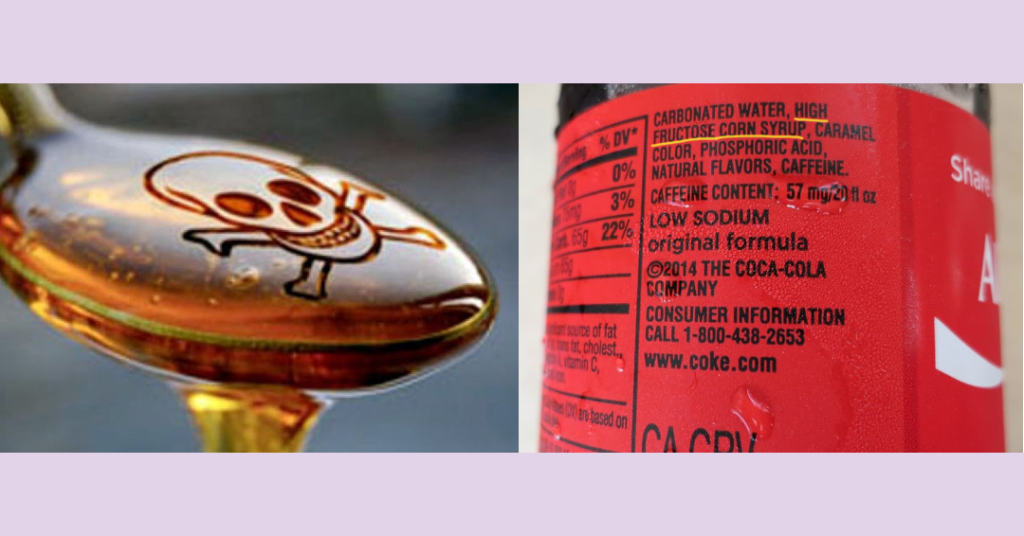
2. High Fructose Corn Syrup

Found in nearly every processed food and sweetened drink, high-fructose corn syrup is a sweeter and cheaper version of regular sugar. It’s made by separating glucose and fructose which are usually bound together. This allows fructose to mainline into your liver, which activates fat production called lipogenesis. As a result, this leads to a fatty liver which is one of the most common diseases, affecting over 80 million Americans today.

3. Aspartame

Aspartame is a commonly used, low calorie artificial sweetener that is found in diet beverages, gums, candies and other sweetened foods. It contains about 4 calories per gram which is similar to sugar however it’s 200 times sweeter.

In 1981, the FDA approved aspartame for use in food in drinks, however many studies have been conducted on its safety since then. In fact, the FDA and European Food Safety Authority (EFSA) have set a limit on how much aspartame one can consume daily before its poisonous. Because aspartame is so sweet but low in calories, the body cannot properly process it. This results in many side effects such as headaches, ADHD, depression, congenital disabilities and even cancer. Any food or ingredient that has a safety limit should not be consumed, even in small doses.

4. MSG (Monosodium Glutamate)

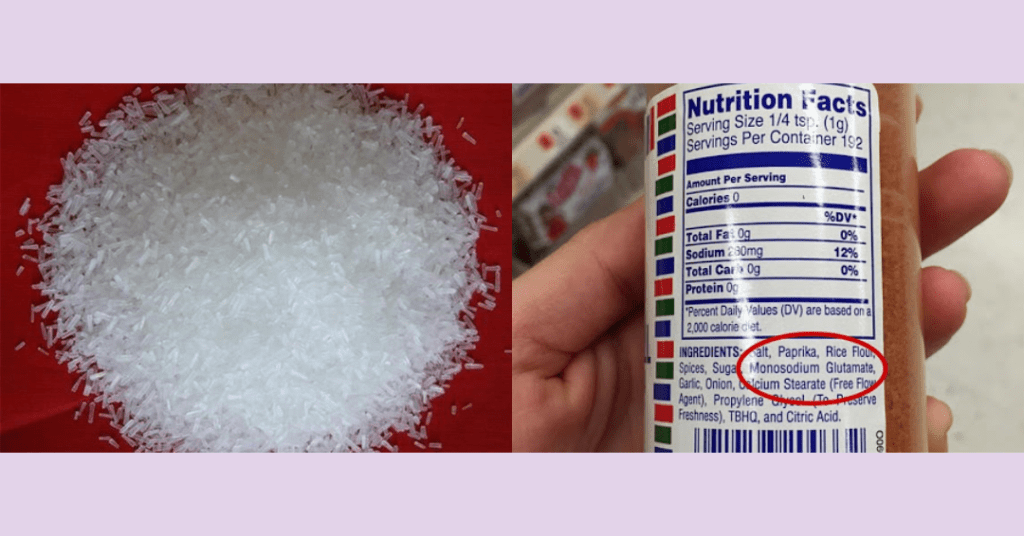
Monosodium Glutamate is widely used to enhance the flavour of food. It is commonly used in restaurants, canned soups, processed foods and spices. MSG is classified as an exotoxin that has degenerative effects on the brain and nervous system. It causes several health complications such as ADD, depression, asthma, skin rashes, sleep disorders and heart irregularities. This is because glutamic acid acts as excitatory neurotransmitter in your brain, causing excessive stimulation of nerve cells.

5. Artificial Colouring

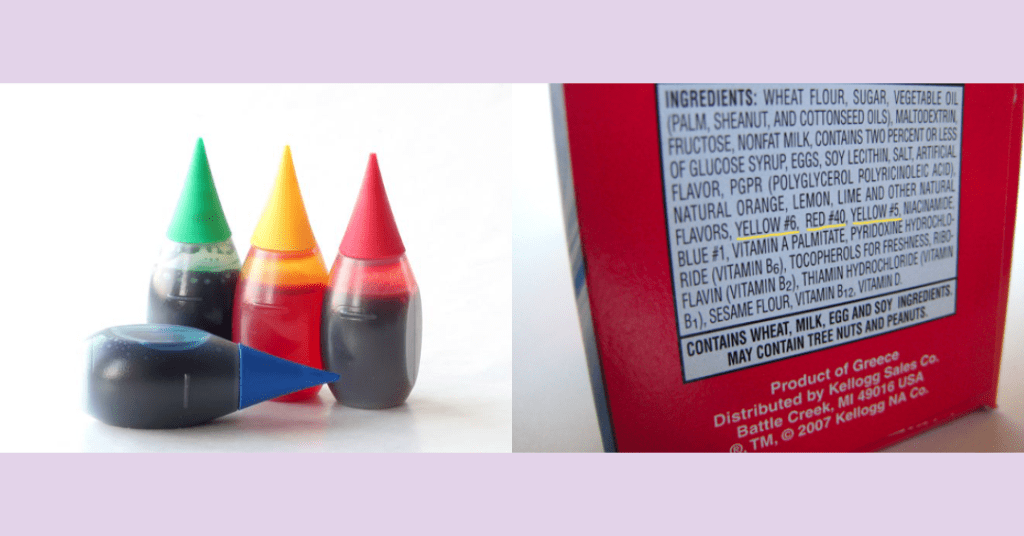
Artificial food dyes are chemical substances that were developed in order to enhance the appearance of food. They are widely used and commonly found in flavoured beverages, candies, baked goods and even salmon. Multiple studies have linked artificial colouring to serious side effects such as hyperactivity in children, as well as allergies and cancer. In fact, Red 3 also known as erythosine was partially banned by the FDA in 1990 after an animal study demonstrated that it increases the risk of thyroid tumors in male rats. However, that ban was later removed and Red 3 was replaced by Red 40. Despite the controversy, Red 3 is still used and found in many foods today.


I could write a whole book on every ingredient that we should avoid! But the only thing we can do is stay informed, continue reading ingredients on packaging and if there’s something that is unfamiliar listed- don’t buy it. These foods prevent weight loss and are linked to a number of side effects, but are still legally allowed in our food. I hope you take something from this blog and I encourage you to do your own research as well on other ingredients!