Rolling sushi is so much fun and you’ll never want to order it again once you learn how to make it yourself! Homemade sushi tastes so much better and is much more cost efficient too. I also love this spicy mayo recipe because it’s simple and the chipotle pepper sauce can be substituted for sriracha or basic hot sauce.
When it comes to rolling your own sushi at home, don’t be intimidated. I used to use a bamboo mat, but I’ve found that rolling it with my hands on a cutting board or flat surface works so much better. It’s also a lot more sanitary too- sushi bamboo mats usually get rice and toppings stuck in them so I highly suggest just rolling it with your hands! It may take a bit of practice but it’s honestly worth it in the end.
Here’s what you’ll need:
For the sushi:
For the spicy mayo:
Ingredients:
1.5 cups of rice (I used basmati)
2.5 tablespoons of white vinegar
1-2 ripe avocados
Half a large carrot, grated
Half a cucumber, cut into sticks
1 package sushi seaweed
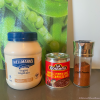
6 tablespoons vegan mayo
4 teaspoons chipotle pepper sauce
Chilli flakes (optional)
Salt + pepper to taste
Preparation time: 15 minutes to boil rice + 15 minutes to roll sushi.
Serving Size: Makes 3+ rolls depending on how much rice and toppings in each roll.
Directions for the sushi:
Rinse rice until water runs clear and boil according to instructions on package.
Once the rice is fully boiled, let cool for 5 minutes, add the white vinegar and cover. The vinegar helps the rice bind together and become more sticky.
In the meantime, prepare toppings. Avocado works best sliced, carrots work best grated and cucumbers work best cut into sticks. However, this is your time to be creative so you can add all sorts of things to your roll!
Prepare seaweed sheet by placing on a flat surface such as a cutting board.
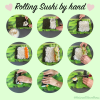
Start by taking a small spoon of rice and gently pressing it flat onto the seaweed sheet while spreading it out. The layer of rice should be generous- but not too thick otherwise it will be difficult to roll. (Check out the photos below for a reference!)
Once the seaweed is covered with a nice layer of rice, add your toppings in a neat row. You want to try your best to stack your toppings in a way that will still allow the seaweed to fold over cleanly when you roll it.
Start rolling in an outward motion with a firm grip on your toppings.
Once you reach the end, press edge of seaweed to secure, slice and enjoy!
Quick Tips:
The rice should be slightly warm when you roll your sushi. If it’s too hot, the seaweed will crack so make sure you let it cool down a bit first.
Leave a strip of seaweed at the end so that your roll will stick together properly.
It’s best to use a serrated knife (the ones with the lil grooves). I’ve found that cutting sushi with a smooth or dull knife can really tear the seaweed apart.
Other than that, have fun trying out this recipe! The vegan spicy mayo tastes really great on burgers too 😉
So, we have all heard the myth that soy products affect hormone levels in both men and women, causing drastic side effects like spikes in estrogen or causing breast tissue to grow. However, these myths were popularized by certain individuals with their own agenda and thus, I have decided to write a blog on the benefits of phytoestrogens which are the main component in soy products.
Functional Foods
The idea that food contains nutritional properties as well as organic functions is becoming more accepted by the scientific community. Functional foods are foods that make us healthy and are common in diets high in whole plant based foods. Functional foods have the ability to regulate body functions in order to protect against diseases such as hypertension, diabetes, cancer, coronary heart disease and many others.
Phytoestrogen vs Mammalian Estrogen
Functional foods consist of many different groups, however phytoestrogens are a large component. Phytoestrogens are a very special type of molecule that help our bodies feel good and look great.
Phyto means derived from plants, thus phytoestrogen is estrogen that naturally occurs in plants such as legumes, soy, flaxseed and mulberries. Phytoestrogens are beneficial to our health because when our bodies break down phytoestrogens, the molecules that are formed help regulate biological reactions. Meaning that phytoestrogens can connect to some receptors as mammalian estrogen, however phytoestrogen is like a key that can open a door, but leaves the screen door closed- which blocks out all of the bad things.
In contrast, mammalian estrogen which is naturally produced by us or consumed in dairy products, can fully open the door which leaves us vulnerable to diseases & chronic problems.
Estrogen & Other Hormones in Dairy Products
The interesting thing about estrogen & food intake is the fact that not many people associate dairy with it, even though cows must be genetically altered in order to continuously produce milk. The hard truth is that dairy is a much more significant source of female hormone exposure. Commercial dairy cows contain high amounts of estrogen and progesterone and are impregnated just to sustain the demand for cows milk. Even dairy products that are labelled as organic, or no hormones added contain high amounts of hormones because many of them are naturally produced by cows, even if they have not been given additional hormones.
One study concluded that when men and children consume milk, estrogens are absorbed and gonadotropin secretion becomes suppressed, followed by a decrease in testosterone secretion.
This study also concluded that milk consumption was responsible for significantly increased levels of estradiol and progesterone in adults and children.
Phytoestrogen Benefits
Phytoestrogens are classified into 7 groups- the main groups are isoflavones, lignons and coumestans:
Isoflavones are mainly found in soy products.
Lignons are commonly found in plants & grains rich in fiber such as wheat, barley, oats, beans, lentils, asparagus, broccoli, carrots.
Coumestands are found in peas, beans and alfalfa shoots.
Phytoestrogens are a crucial component of a healthy diet, research has shown that phytoestrogens are very beneficial in the reduction of menopausal symptoms. The health benefits of Eastern diets is generally associated with the consumption of high quality proteins found in soy. In Eastern countries, soy is part of the traditional diet and contains an average of 15-50/mg a day of isoflavones from soy. Whereas the Western diet only contains an average of 2/mg a day of isoflavones from soy. The lack of soy in the Western diet is preventing many of us from benefiting from all of the great qualities attributed to phytoestrogens.
Research
So since I have introduced the foods that contain phytoestrogens, as well as why phytoestrogens are beneficial when compared to mammalian estrogen, I think now would be a great time to show the research that support these claims!
The first area of research that has shown substantial evidence that phytoestrogens are beneficial in the human body is Menopause. Research has shown that supplementation of genistein (one of the 7 groups of phytoestrogens) may promote the reduction of menopausal symptoms. Researchers have also found that eating more soy products can alleviate the severity of hot flashes in women experiencing menopause.
Another condition that has had positive effects from soy products is Osteoporosis, which is the reduction of bone density. Research has shown that genistein which has a structure similar to estrogen, can bind to the same receptors as mammalian estrogen. This helps regulate estrogen levels which can cause bone deterioration if imbalanced.
Phytoestrogens found in soy products have also been shown to successfully improve blood sugar levels in Diabetic patients.
Conclusion
Non-GMO Soy products are beneficial in our everyday diet and research has demonstrated that phytoestrogens have a positive effect on our health. It’s unfortunate that there’s a very common misconception between phytoestrogen and mammalian estrogen. However, if you are concerned about elevated estrogen or hormonal levels your body, the best thing you can do is ditch dairy products, or limit your consumption.
Sources
Bhathena, S. J., & Velasquez, M. T. (2002). Beneficial role of dietary phyto- estrogens in obesity and diabetes. American Journal of Clinical Nutri- tion, 76, 1191–1201.
Monteleone, P., Mascagni, G., Giannini, A., Genazzani, A. R., & Simoncini, T. (2018). Symptoms of menopause – global prevalence, physiology and implications. Nature Reviews Endocrinology., 14(4), 199–215.
Ricci, E., Cipriani, S., Chiaffarino, F., Malvezzi, M., & Parazzini, F. (2010). Effects of soy isoflavones and genistein on glucose metabolism in peri- menopausal and postmenopausal non-Asian women: A meta-analysis of randomized controlled trials. Menopause, 17(5), 1080–1086.
Petrine, J. C., & Bianco-Borges, B. D. (2020). The influence of phytoestrogens on different physiological and pathological processes: An overview. Phytotherapy Research. doi:10.1002/ptr.6816
Maruyama, K., Oshima, T., & Ohyama, K. (2010, February). Exposure to exogenous estrogen through intake of commercial milk produced from pregnant cows. Retrieved September 16, 2020, from http://www.ncbi.nlm.nih.gov/pubmed/19496976
Losing weight is one of those things that can be completely dreadful or a fun way to change your lifestyle habits depending on how you look at it. I cannot stress how important attitude is when it comes to learning anything new, or changing any aspect in your life. So the main tip that I want you to take away from this blog is to please have fun with your weight loss journey!
Here are 5 healthy weight loss tips that will help you look good, and feel even better:
1. Get more dietary fiber
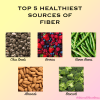
Did you know that 95% of Americans do not get enough dietary fiber? Dietary fiber is a type of carbohydrate that is naturally found in plant based foods. Research suggests that foods high in fiber are good for your metabolism, regulate digestion and keeps you feeling full for longer. Because most vegetables are low in calories but high in volume or weight, they’ll keep you feeling full on less calories. The great thing about veggies is that the majority of their volume comes from water!
The four main symptoms associated with lack of fiber in ones diet include constipation, weight gain, blood sugar fluctuations & diet related nausea. This demonstrates just how important dietary fiber really is in aiding our metabolism and overall health. To get more fiber in your diet, try substituting meat in your pasta for sautéed vegetables. You can even make a veggie pizza, or roast vegetables with a bit of oil in the oven. Yum!
2. Cut out soft drinks
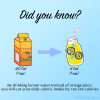
When I say soft drinks, I mean everything except for fresh fruit juice and water. It’s crazy how many new drinks, sodas and flavoured waters come out annually that literally serve no nutritional value! Take Vitamin Water for example, it’s advertised as a fast and healthy way to get a daily fix of vitamins and minerals. The truth is however, that these “healthy drinks” are loaded with an unhealthy amount of sugar, synthetic vitamins and a mix of colorants. It’s important to realize that fresh fruit/vegetable juice or water is so much healthier to drink than anything that comes from a plastic bottle!
One simple switch that will pay off huge is to start adding fresh lemon juice to your water instead of drinking store bought juice. By drinking lemon water instead, you will reduce your daily caloric intake. Research has shown that polyphenol antioxidants which are found in lemons significantly reduces weight gain and promotes healthy skin.
3. Read ingredients
Reading the ingredients of everything you consume is so important! You would be surprised by how many harmful chemicals and preservatives are added to every day foods. That’s why it’s extremely important to read the ingredients of anything processed that you buy. You will find that a good 75% of ingredients in most foods are random chemicals that you’ve never heard of and are hard to pronounce! These ingredients serve no nutritional value and are only added to extend shelf life. This is why snack foods are so cheap- the ingredients are simply not real and are lab-made. Make sure you’re consuming real foods that contain whole and quality ingredients. Ditch foods that come in plastic packaging and are high in sugars, oils and additives.
This one is huge. Whenever you get hungry or are craving something, don’t be afraid to snack! The key is to make sure you’re snacking on something healthy. If you want something sweet, don’t reach for Oreos right away- instead, have something that’s satisfying and good for you such as dates or even a tangerine. Eating store bought cookies only trains your body to crave unnaturally sweet foods and creates an endless cycle. If you train your body to eat foods that are fresh and not artificially sweetened, you will not only lose weight, but you will also break an unhealthy pattern. Your body cannot crave what you are no longer consuming!
5. Avoid eating at night
Eating food late at night is a simple way to put on weight without even knowing it. Many studies have demonstrated that the body is more likely to store calories as fat rather than burn it as energy because food is digested differently at varying times of the day. Throughout the day, our food is metabolized faster because we are up walking, running and burning off energy. But at night, our organ systems slow down in order to prepare for rest.
If you find yourself getting hungry at night, start having a bigger dinner. Most people who experience hunger at night didn’t eat enough throughout the day. My favourite thing to do is make plenty of sides when I cook! You can add sautéed vegetables, chickpeas, beans, or potatoes to virtually any meal. Plus they’re healthy, high in vitamins and will keep you feeling fuller for longer. Although, there is nothing wrong with having a small snack such as fresh fruit at night!
It’s no secret that what we put into our body matters. Each ingredient in every food can either aid our health, or deteriorate it and there is no other way to look at it. Below is a list of five ingredients that are commonly found in everyday foods, but are detrimental to our health.
1. BHT (Butylated Hydroxytoulene)
Butylated Hydroxytoluene is a lab made preservative that is found in anything from gum to cereal. It is generally recognized as “safe” by the FDA, however animal studies demonstrate that it causes cancer and is an endocrine disruptor. In high doses and over a long-term, BHT is toxic to mice and rats causing liver, thyroid and kidney problems.
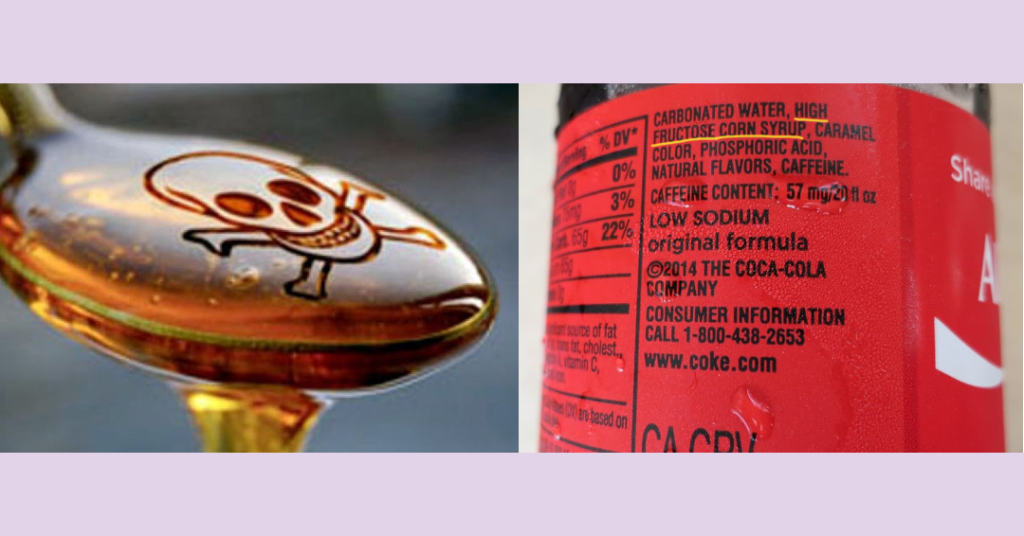
2. High Fructose Corn Syrup
Found in nearly every processed food and sweetened drink, high-fructose corn syrup is a sweeter and cheaper version of regular sugar. It’s made by separating glucose and fructose which are usually bound together. This allows fructose to mainline into your liver, which activates fat production called lipogenesis. As a result, this leads to a fatty liver which is one of the most common diseases, affecting over 80 million Americans today.
3. Aspartame
Aspartame is a commonly used, low calorie artificial sweetener that is found in diet beverages, gums, candies and other sweetened foods. It contains about 4 calories per gram which is similar to sugar however it’s 200 times sweeter.
In 1981, the FDA approved aspartame for use in food in drinks, however many studies have been conducted on its safety since then. In fact, the FDA and European Food Safety Authority (EFSA) have set a limit on how much aspartame one can consume daily before its poisonous. Because aspartame is so sweet but low in calories, the body cannot properly process it. This results in many side effects such as headaches, ADHD, depression, congenital disabilities and even cancer. Any food or ingredient that has a safety limit should not be consumed, even in small doses.
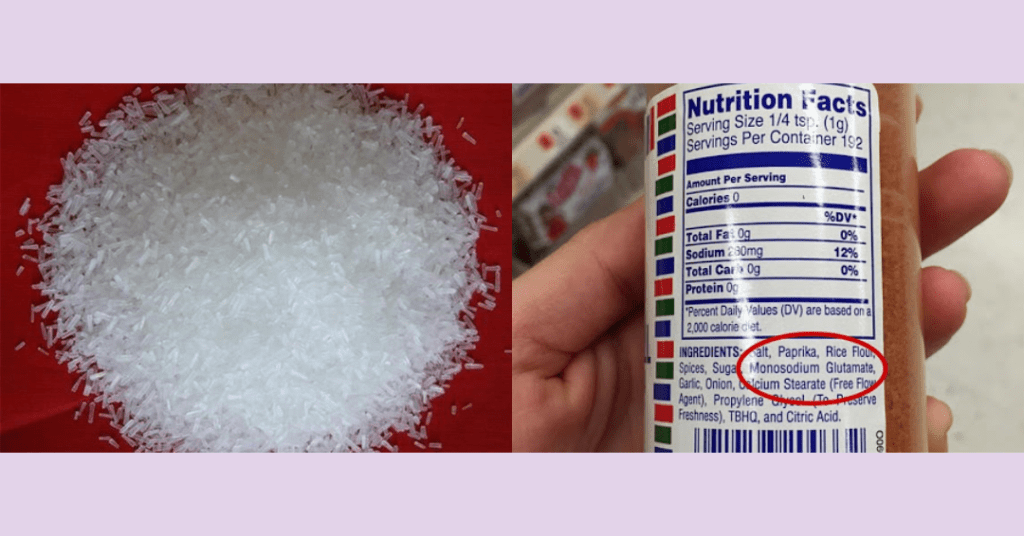
4. MSG (Monosodium Glutamate)
Monosodium Glutamate is widely used to enhance the flavour of food. It is commonly used in restaurants, canned soups, processed foods and spices. MSG is classified as an exotoxin that has degenerative effects on the brain and nervous system. It causes several health complications such as ADD, depression, asthma, skin rashes, sleep disorders and heart irregularities. This is because glutamic acid acts as excitatory neurotransmitter in your brain, causing excessive stimulation of nerve cells.
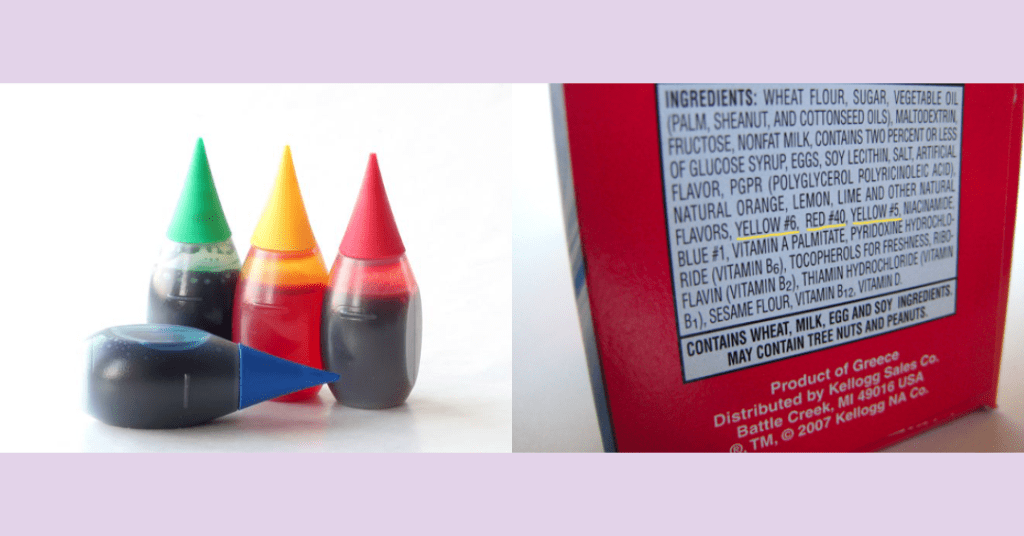
5. Artificial Colouring
Artificial food dyes are chemical substances that were developed in order to enhance the appearance of food. They are widely used and commonly found in flavoured beverages, candies, baked goods and even salmon. Multiple studies have linked artificial colouring to serious side effects such as hyperactivity in children, as well as allergies and cancer. In fact, Red 3 also known as erythosine was partially banned by the FDA in 1990 after an animal study demonstrated that it increases the risk of thyroid tumors in male rats. However, that ban was later removed and Red 3 was replaced by Red 40. Despite the controversy, Red 3 is still used and found in many foods today.
I could write a whole book on every ingredient that we should avoid! But the only thing we can do is stay informed, continue reading ingredients on packaging and if there’s something that is unfamiliar listed- don’t buy it. These foods prevent weight loss and are linked to a number of side effects, but are still legally allowed in our food. I hope you take something from this blog and I encourage you to do your own research as well on other ingredients!













 Natural Glow Wellness