nutrition

Busting The Soy & Estrogen Myth

So, we have all heard the myth that soy products affect hormone levels in both men and women, causing drastic side effects like spikes in estrogen or causing breast tissue to grow. However, these myths were popularized by certain individuals with their own agenda and thus, I have decided to write a blog on the benefits of phytoestrogens which are the main component in soy products.

Functional Foods

The idea that food contains nutritional properties as well as organic functions is becoming more accepted by the scientific community. Functional foods are foods that make us healthy and are common in diets high in whole plant based foods. Functional foods have the ability to regulate body functions in order to protect against diseases such as hypertension, diabetes, cancer, coronary heart disease and many others.

Phytoestrogen vs Mammalian Estrogen

Functional foods consist of many different groups, however phytoestrogens are a large component. Phytoestrogens are a very special type of molecule that help our bodies feel good and look great.

Phyto means derived from plants, thus phytoestrogen is estrogen that naturally occurs in plants such as legumes, soy, flaxseed and mulberries. Phytoestrogens are beneficial to our health because when our bodies break down phytoestrogens, the molecules that are formed help regulate biological reactions. Meaning that phytoestrogens can connect to some receptors as mammalian estrogen, however phytoestrogen is like a key that can open a door, but leaves the screen door closed- which blocks out all of the bad things.

In contrast, mammalian estrogen which is naturally produced by us or consumed in dairy products, can fully open the door which leaves us vulnerable to diseases & chronic problems.

Estrogen & Other Hormones in Dairy Products
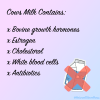
The interesting thing about estrogen & food intake is the fact that not many people associate dairy with it, even though cows must be genetically altered in order to continuously produce milk. The hard truth is that dairy is a much more significant source of female hormone exposure. Commercial dairy cows contain high amounts of estrogen and progesterone and are impregnated just to sustain the demand for cows milk. Even dairy products that are labelled as organic, or no hormones added contain high amounts of hormones because many of them are naturally produced by cows, even if they have not been given additional hormones.

  • One study concluded that when men and children consume milk, estrogens are absorbed and gonadotropin secretion becomes suppressed, followed by a decrease in testosterone secretion.
  • This study also concluded that milk consumption was responsible for significantly increased levels of estradiol and progesterone in adults and children.

Phytoestrogen Benefits

Phytoestrogens are classified into 7 groups- the main groups are isoflavones, lignons and coumestans:

Isoflavones are mainly found in soy products.

Lignons are commonly found in plants & grains rich in fiber such as wheat, barley, oats, beans, lentils, asparagus, broccoli, carrots.

Coumestands are found in peas, beans and alfalfa shoots.

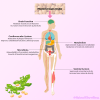
Phytoestrogens are a crucial component of a healthy diet, research has shown that phytoestrogens are very beneficial in the reduction of menopausal symptoms. The health benefits of Eastern diets is generally associated with the consumption of high quality proteins found in soy. In Eastern countries, soy is part of the traditional diet and contains an average of 15-50/mg a day of isoflavones from soy. Whereas the Western diet only contains an average of 2/mg a day of isoflavones from soy. The lack of soy in the Western diet is preventing many of us from benefiting from all of the great qualities attributed to phytoestrogens.
Research

So since I have introduced the foods that contain phytoestrogens, as well as why phytoestrogens are beneficial when compared to mammalian estrogen, I think now would be a great time to show the research that support these claims!

  • The first area of research that has shown substantial evidence that phytoestrogens are beneficial in the human body is Menopause. Research has shown that supplementation of genistein (one of the 7 groups of phytoestrogens) may promote the reduction of menopausal symptoms. Researchers have also found that eating more soy products can alleviate the severity of hot flashes in women experiencing menopause.
  • Another condition that has had positive effects from soy products is Osteoporosis, which is the reduction of bone density. Research has shown that genistein which has a structure similar to estrogen, can bind to the same receptors as mammalian estrogen. This helps regulate estrogen levels which can cause bone deterioration if imbalanced.
  • Phytoestrogens found in soy products have also been shown to successfully improve blood sugar levels in Diabetic patients.

Conclusion

Non-GMO Soy products are beneficial in our everyday diet and research has demonstrated that phytoestrogens have a positive effect on our health. It’s unfortunate that there’s a very common misconception between phytoestrogen and mammalian estrogen. However, if you are concerned about elevated estrogen or hormonal levels your body, the best thing you can do is ditch dairy products, or limit your consumption.

Sources

Bhathena, S. J., & Velasquez, M. T. (2002). Beneficial role of dietary phyto- estrogens in obesity and diabetes. American Journal of Clinical Nutri- tion, 76, 1191โ€“1201.

Monteleone, P., Mascagni, G., Giannini, A., Genazzani, A. R., & Simoncini, T. (2018). Symptoms of menopause – global prevalence, physiology and implications. Nature Reviews Endocrinology., 14(4), 199โ€“215.

Ricci, E., Cipriani, S., Chiaffarino, F., Malvezzi, M., & Parazzini, F. (2010). Effects of soy isoflavones and genistein on glucose metabolism in peri- menopausal and postmenopausal non-Asian women: A meta-analysis of randomized controlled trials. Menopause, 17(5), 1080โ€“1086.

Petrine, J. C., & Bianco-Borges, B. D. (2020). The influence of phytoestrogens on different physiological and pathological processes: An overview. Phytotherapy Research. doi:10.1002/ptr.6816

Maruyama, K., Oshima, T., & Ohyama, K. (2010, February). Exposure to exogenous estrogen through intake of commercial milk produced from pregnant cows. Retrieved September 16, 2020, from http://www.ncbi.nlm.nih.gov/pubmed/19496976
nutrition

Negative Effects of Drinking Coffee & Natural Ways to Boost Energy

Coffee is the most popular beverage in the world with over 400 billion cups being consumed each year. It is estimated that over 50% of the American population over the age of 18 consumes coffee daily- that’s 150 million people drinking coffee every single day! You may think of coffee as one of those things that isn’t that bad for you, but it does have an impact on your natural ability to stay awake and focused. Not to mention, buying a coffee or two everyday eventually adds up and becomes an unnecessary expense over time.

Let’s talk about some negative side effects that are associated with consuming coffee on a regular basis, and then explore some healthier alternatives!

Caffeine works on the Central Nervous System (CNS) and is classified as a drug. Because caffeine stimulates the CNS, it’s classified as a “Stimulant”. Stimulants typically increase mental alertness and energy levels by elevating heart rate, blood sugar, blood pressure and constricting blood vessels. The energizing effects of caffeine usually last 2-5 hours which later result in withdrawal symptoms or an energy crash. It’s important to note that most drugs have addictive qualities and it’s best to manage your consumption when it comes to caffeinated drinks or snack foods.

Consuming caffeine 6 hours before bedtime has been proven to substantially reduce amount of sleep. One of the most common side effects associated with stimulants is that they have a negative impact on your sleep schedule. A study found that drinking a cup of coffee 6 hours before bedtime has significant disruptive effects on sleep and reduces the amount of sleep time. This means that if you go to bed at around 10:00 pm, it’s best to not drink a cup of coffee past 4:00 pm, otherwise it may result in insomnia related symptoms.

There are many general side effects associated with consuming caffeine daily. These side effects include headaches, sleepiness, low energy levels, mood swings and feeling shaky or jittery throughout the day.


Now let’s talk about some healthier alternatives to get more energy throughout the day that won’t affect your sleep schedule.

Drink a banana smoothie in the morning

Banana smoothies are loaded with vitamins, minerals and electrolytes. Drinking a banana smoothie every morning is a great way to naturally boost energy and activate your metabolism. Bananas are high in potassium, and contain three naturally occurring sugars- sucrose, fructose & glucose. Because bananas are also high in fiber, glucose levels are sustained in blood which provides a steady source of energy for a longer period of time! This means no coffee crash!

Try Drinking Ginseng Tea

If you genuinely enjoy drinking something warm in the morning or throughout the day, try drinking ginseng tea instead of coffee. Ginseng is an excellent herb for tonifying your energy or your Qi. It’s a great alternative to drinking coffee because it has been proven to effectively fight fatigue and naturally boost energy levels. Not to mention, ginseng is full of beneficial vitamins and minerals! Drinking ginseng tea has many other favourable health benefits too such as powerful antioxidant and anti-inflammatory properties, improving brain function and boosting the immune system.

Take a cold shower when you wake up. I know this sounds dreadful, but many studies actually suggest that taking a cold shower is a great way to wake yourself up. Cold showers increase mental alertness, reduce stress and promote weight loss. If you have trouble waking up in the morning, try running a cool shower and focusing on your breathing. You’ll feel so fresh and revitalized when you get out!

Focus on your diet & nutrition. A lot of people feel tired throughout the day because they are not getting adequate nutrients. Snacking on foods such as apples, strawberries, oranges and berries is a great way to get nutrition and boost energy at the same time. In the long run, make sure that your meals are nutritious and avoid eating out!


Thank you so much for taking the time to read my blog post! I hope that I inspired you to be more conscious of what you consume daily and make healthier choices!

Recipes

Simple & Tasty Homemade Bread

I recently learned how to make my own bread at home and it’s so much fun! Don’t be discouraged- making bread is a lot easier than you think and once you learn the skill, you know it forever!

All you need for this recipe are 5 simple ingredients: flour, yeast, pink salt, sugar & olive oil. I add seed mixes to my dough, however this is optional and you can still follow the same instructions with or without the seed mix added.

Below you will find the recipe as well as instructions for each step of the way!


Ingredients:

  • 3 cups flour
  • Pinch of salt
  • 30 ml of olive oil
  • 1 cup + 50 ml water
  • 5 grams yeast
  • 2.5 grams sugar
  • 2 tablespoons seed mix (optional)

Preparation Time: 1 hour 45 minutes to rise + 45 minutes bake time.

Directions:

  1. Activate Yeast: In a small bowl or glass cup, stir the yeast into 50 ml of warm water. Add the sugar and let stand for 10 minutes. If mixture doubles in volume, it’s active.
  2. Add flour, salt, olive oil and water to a large bowl. Add yeast mixture and knead with your hands until a dough is formed. You may have to add more water or flour at this time to get the right consistency!
  3. Form dough into a ball, cover bowl and let rise for 45 minutes.
  4. Remove dough from bowl and lay on a flat surface. Try to push out all of the excess air with your fingers until it feels flat. Roll into a loaf shape.
  5. Once the shape of your loaf is formed let it rise for 1 hour.
  6. Put a small tray of water in the bottom of the oven and preheat to 390ยฐF/200ยฐC. The tray of water adds moisture to the bread and ensures that it won’t dry out while baking.
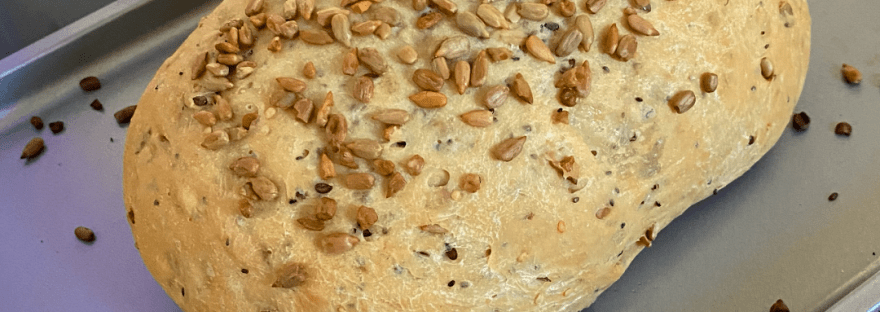
  7. Coat the top of your loaf with a bit of olive oil and add some sunflower seeds if you’d like. Put it in the oven and let bake for 45 minutes or until loaf appears golden brown.
  8. Remove from oven, let cool and enjoy!!

Healthy Living

5 Healthy Ways to Lose Weight

Losing weight is one of those things that can be completely dreadful or a fun way to change your lifestyle habits depending on how you look at it. I cannot stress how important attitude is when it comes to learning anything new, or changing any aspect in your life. So the main tip that I want you to take away from this blog is to please have fun with your weight loss journey!

Here are 5 healthy weight loss tips that will help you look good, and feel even better:

1. Get more dietary fiber

Did you know that 95% of Americans do not get enough dietary fiber? Dietary fiber is a type of carbohydrate that is naturally found in plant based foods. Research suggests that foods high in fiber are good for your metabolism, regulate digestion and keeps you feeling full for longer. Because most vegetables are low in calories but high in volume or weight, they’ll keep you feeling full on less calories. The great thing about veggies is that the majority of their volume comes from water!

The four main symptoms associated with lack of fiber in ones diet include constipation, weight gain, blood sugar fluctuations & diet related nausea. This demonstrates just how important dietary fiber really is in aiding our metabolism and overall health. To get more fiber in your diet, try substituting meat in your pasta for sautรฉed vegetables. You can even make a veggie pizza, or roast vegetables with a bit of oil in the oven. Yum!

2. Cut out soft drinks

When I say soft drinks, I mean everything except for fresh fruit juice and water. It’s crazy how many new drinks, sodas and flavoured waters come out annually that literally serve no nutritional value! Take Vitamin Water for example, it’s advertised as a fast and healthy way to get a daily fix of vitamins and minerals. The truth is however, that these “healthy drinks” are loaded with an unhealthy amount of sugar, synthetic vitamins and a mix of colorants. It’s important to realize that fresh fruit/vegetable juice or water is so much healthier to drink than anything that comes from a plastic bottle!

One simple switch that will pay off huge is to start adding fresh lemon juice to your water instead of drinking store bought juice. By drinking lemon water instead, you will reduce your daily caloric intake. Research has shown that polyphenol antioxidants which are found in lemons significantly reduces weight gain and promotes healthy skin.

3. Read ingredients

Reading the ingredients of everything you consume is so important! You would be surprised by how many harmful chemicals and preservatives are added to every day foods. That’s why it’s extremely important to read the ingredients of anything processed that you buy. You will find that a good 75% of ingredients in most foods are random chemicals that you’ve never heard of and are hard to pronounce! These ingredients serve no nutritional value and are only added to extend shelf life. This is why snack foods are so cheap- the ingredients are simply not real and are lab-made. Make sure you’re consuming real foods that contain whole and quality ingredients. Ditch foods that come in plastic packaging and are high in sugars, oils and additives.

For more info on specific ingredients to avoid, check out my blog on the Top 5 Common Food Additives to Avoid.

4. Substitute your snacks

This one is huge. Whenever you get hungry or are craving something, don’t be afraid to snack! The key is to make sure you’re snacking on something healthy. If you want something sweet, don’t reach for Oreos right away- instead, have something that’s satisfying and good for you such as dates or even a tangerine. Eating store bought cookies only trains your body to crave unnaturally sweet foods and creates an endless cycle. If you train your body to eat foods that are fresh and not artificially sweetened, you will not only lose weight, but you will also break an unhealthy pattern. Your body cannot crave what you are no longer consuming!

5. Avoid eating at night

Eating food late at night is a simple way to put on weight without even knowing it. Many studies have demonstrated that the body is more likely to store calories as fat rather than burn it as energy because food is digested differently at varying times of the day. Throughout the day, our food is metabolized faster because we are up walking, running and burning off energy. But at night, our organ systems slow down in order to prepare for rest.

If you find yourself getting hungry at night, start having a bigger dinner. Most people who experience hunger at night didn’t eat enough throughout the day. My favourite thing to do is make plenty of sides when I cook! You can add sautรฉed vegetables, chickpeas, beans, or potatoes to virtually any meal. Plus they’re healthy, high in vitamins and will keep you feeling fuller for longer. Although, there is nothing wrong with having a small snack such as fresh fruit at night!

Healthy Living

Natural & Simple Ways to Get Better Sleep

We have all been there… tossing around for hours trying to sleep and not knowing what to do. You are not alone! An estimated one in four Americans suffer from insomnia, but luckily 75% of those cases aren’t considered chronic. This means that there are ways to get a good nights sleep without having to resort to pills or other drastic measures.

Here are 4 simple tips on how to improve your sleep:

1. Get more exercise:

One of the main reasons why people suffer from symptoms associated with insomnia is because they did not get enough exercise throughout the day. You may travel to and from work or school, but physical activity is different than exercise. If you have difficulty falling asleep at night, try going for a 30 minute jog around your neighbourhood or even do an at home workout. The main goal is to increase your heart rate through exercise so that you actually feel tired afterwards.

2. Take a hot bath before bed:

This may sound ridiculously simple, but a hot bath can be so relaxing if you think of it as something therapeutic, rather than just washing off before bed. A study found that taking a bath at just the right time and right temperature can improve ones quality of sleep. According to the study, bathing 90 minutes (1-2 hours) before bed in very warm/hot water can help you fall asleep 10 minutes faster than normal. Try adding it into your self-care routine and you will feel so fresh in the morning!

3. Avoid Electronics before bedtime:

Laying in bed while scrolling on social media can become a very unhealthy habit if you let it. It may be difficult to fall asleep some nights, but going on your phone and looking at stuff online will actually make you stay awake for longer. Not only does it increase your brain activity, but blue light affects melatonin levels. If you are someone who is guilty of this, try keeping your phone away from your bed at night. It will make it a lot easier to not just reach over and instinctually grab it!

4. Practice Meditation:

Meditation is great for so many reasons! It allows you to be in the moment, focus on your breathing and even promotes sleep. Having a busy schedule may not allow you to sit down for 30 or so minutes and focus on relaxing, but you certainly have the time right before bed! Try laying down in bed and breathe in through your nose and out through your mouth, while focusing on relaxation & peace. You may find that you still have a million thoughts racing through your mind, but with practice and patience, you will master the skill.

Other Helpful Tips:

  • Make sure your room is adjusted to your needs. If you get hot at night try buying a fan or sleeping with lighter blankets. It’s important to make sure that your environment is set just the way you like it.
  • Make sure your bed is clear of clothes and clutter. Always clear off your bed before you sleep, otherwise you will feel stressed throughout the night.
  • Invest in nice bedding. If you haven’t bought a new sheet set or comforter in a while- now is the time! You would be surprised by how much comfy bedding will change your sleeping experience.

Thank you for reading my blog on how to get better sleep! I hope that you can take something away from it and apply it to your lifestyle. If you enjoyed this blog, please check out my posts here.

nutrition

Top 5 Common Food Additives to Avoid

It’s no secret that what we put into our body matters. Each ingredient in every food can either aid our health, or deteriorate it and there is no other way to look at it. Below is a list of five ingredients that are commonly found in everyday foods, but are detrimental to our health.

1. BHT (Butylated Hydroxytoulene)

Butylated Hydroxytoluene is a lab made preservative that is found in anything from gum to cereal. It is generally recognized as “safe” by the FDA, however animal studies demonstrate that it causes cancer and is an endocrine disruptor. In high doses and over a long-term, BHT is toxic to mice and rats causing liver, thyroid and kidney problems.

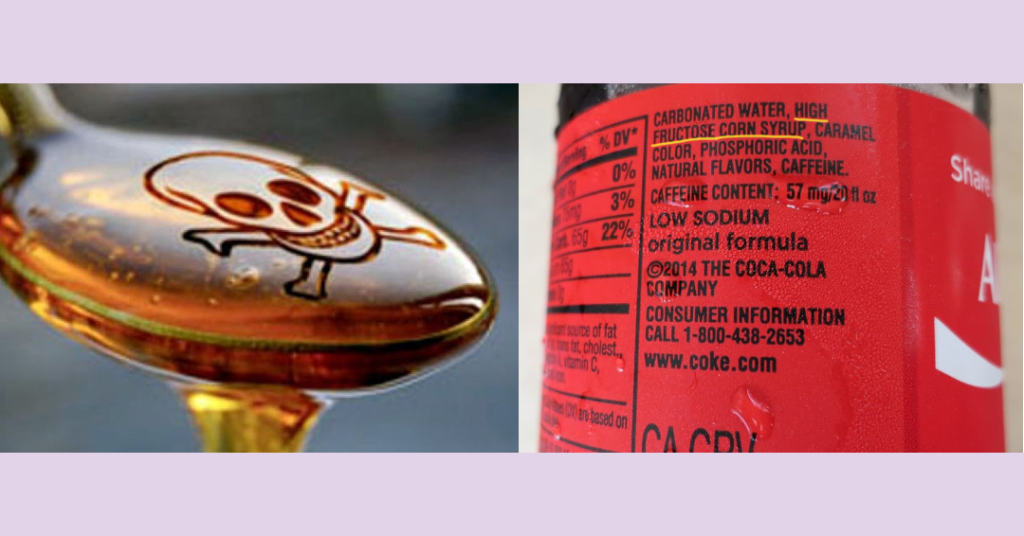
2. High Fructose Corn Syrup

Found in nearly every processed food and sweetened drink, high-fructose corn syrup is a sweeter and cheaper version of regular sugar. It’s made by separating glucose and fructose which are usually bound together. This allows fructose to mainline into your liver, which activates fat production called lipogenesis. As a result, this leads to a fatty liver which is one of the most common diseases, affecting over 80 million Americans today.

3. Aspartame

Aspartame is a commonly used, low calorie artificial sweetener that is found in diet beverages, gums, candies and other sweetened foods. It contains about 4 calories per gram which is similar to sugar however it’s 200 times sweeter.

In 1981, the FDA approved aspartame for use in food in drinks, however many studies have been conducted on its safety since then. In fact, the FDA and European Food Safety Authority (EFSA) have set a limit on how much aspartame one can consume daily before its poisonous. Because aspartame is so sweet but low in calories, the body cannot properly process it. This results in many side effects such as headaches, ADHD, depression, congenital disabilities and even cancer. Any food or ingredient that has a safety limit should not be consumed, even in small doses.

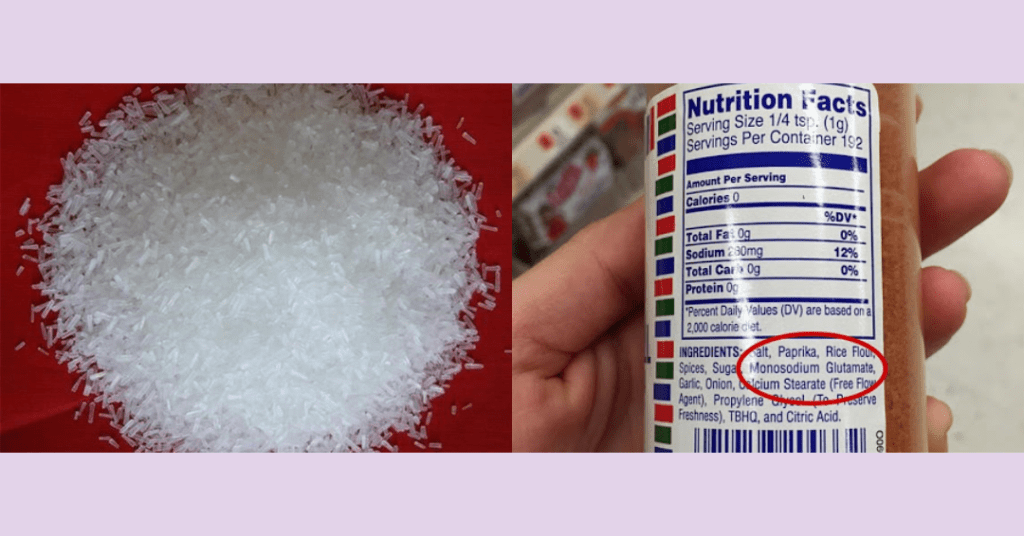
4. MSG (Monosodium Glutamate)

Monosodium Glutamate is widely used to enhance the flavour of food. It is commonly used in restaurants, canned soups, processed foods and spices. MSG is classified as an exotoxin that has degenerative effects on the brain and nervous system. It causes several health complications such as ADD, depression, asthma, skin rashes, sleep disorders and heart irregularities. This is because glutamic acid acts as excitatory neurotransmitter in your brain, causing excessive stimulation of nerve cells.

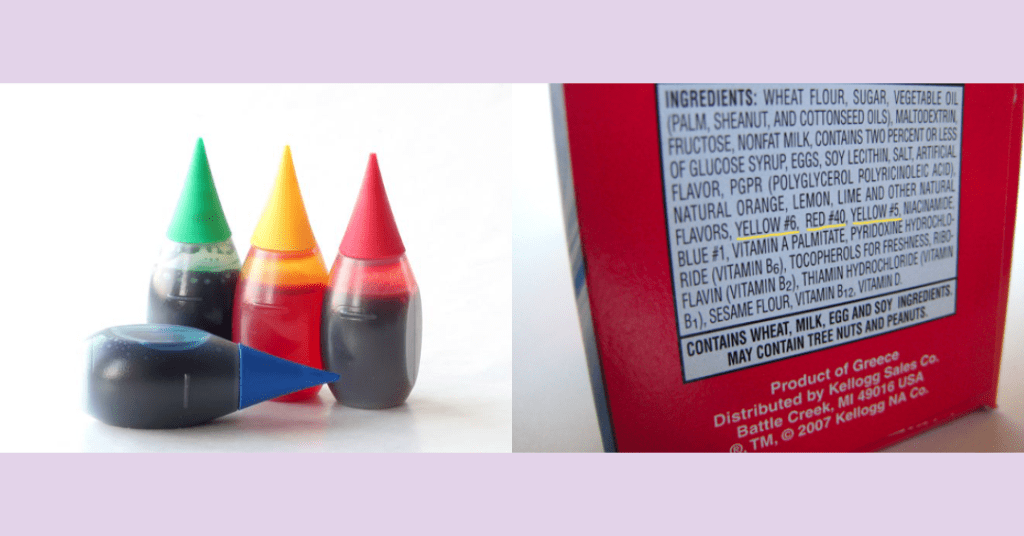
5. Artificial Colouring

Artificial food dyes are chemical substances that were developed in order to enhance the appearance of food. They are widely used and commonly found in flavoured beverages, candies, baked goods and even salmon. Multiple studies have linked artificial colouring to serious side effects such as hyperactivity in children, as well as allergies and cancer. In fact, Red 3 also known as erythosine was partially banned by the FDA in 1990 after an animal study demonstrated that it increases the risk of thyroid tumors in male rats. However, that ban was later removed and Red 3 was replaced by Red 40. Despite the controversy, Red 3 is still used and found in many foods today.


I could write a whole book on every ingredient that we should avoid! But the only thing we can do is stay informed, continue reading ingredients on packaging and if there’s something that is unfamiliar listed- don’t buy it. These foods prevent weight loss and are linked to a number of side effects, but are still legally allowed in our food. I hope you take something from this blog and I encourage you to do your own research as well on other ingredients!

Healthy Living

From Pre-Health Science to Traditional Chinese Medicine: A little bit about me

A lot of people ask me how I ended up studying Traditional Chinese Medicine of all things. Let me start off by saying that I had no idea that I even wanted to do TCM, but here I am and I couldn’t be happier!

It all started when I was 19 and decided to study Pre-Health Science at George Brown College in preparation for the Nursing program. The program was only a year and mainly consisted of advanced science courses and anatomy classes. I had a lot of fun, and was really invested in what I was studying, however, I realized that the healthcare system is focused on two things: money & prescribing medication. These two things will never fix anything. Not to mention, the current medical system fails to look at several factors that contribute to disease. Don’t get me wrong- our healthcare system is amazing in Canada. I really do appreciate it and it is 100% necessary in our population. However, with the current growing population and fast paced society, it’s easier for physicians to prescribe, rather than address the root issue which is commonly linked to diet and lifestyle.

I took all of these considerations in mind, and ventured out to see what programs suited my values most. The Naturopathic Doctor course appealed to me, but it was very expensive and I did not meet all of the requirements. I felt pretty defeated and didn’t know of any other natural health professions at the time.

Then, I found the Traditional Chinese Medicine Program at Humber College. I read the program description and was sold. I had no idea what Acupuncture, Cupping or Tai Chi even was but I went into it open minded. I took 4 courses each semester for 3 years, and travelled 2 hours daily by bus and subway just to get to class on time. It was hectic to say the least. The courses weren’t easy either- they were very heavy and I can honestly say that the TCM program was one of the hardest things I have ever studied. The courses ranged from herbal medicine, to clinical placements in all kinds of healthcare establishments. I learned such valuable lessons!

After successfully passing my final exam in April, I was supposed to do my clinical hours and graduate by Fall of 2020. But unfortunately due to the pandemic, clinics cannot operate, and therefore I cannot obtain my hours. It’s not how I planned things to go, but I am grateful regardless. I have had lots of time to study, grow as a person and even start this blog which took me months to get the courage to do.

I am really excited to start applying TCM theories to modern lifestyle and nutrition. It will be a while until I can physically do acupuncture treatments again but in the meantime I will be coming up with some health services so stay tuned! I am still learning the basics of blogging and making a seamless website but I am really excited to keep learning and advancing my skills.

Thank you so much for reading my first blog post. It truly means the world to me and I never thought I would actually be able to accomplish this.