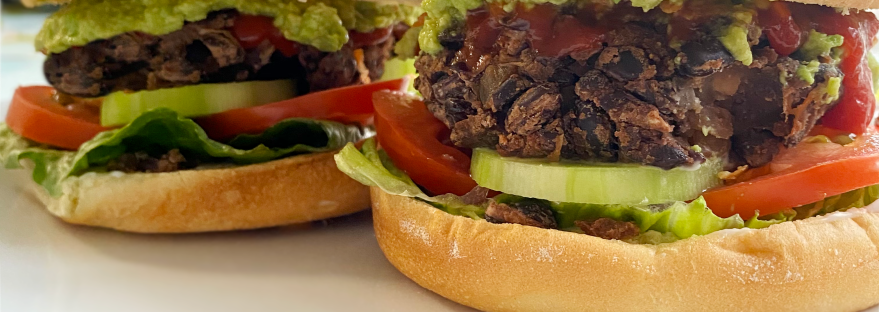
One of my favourite plant based meals to eat is black bean burgers!! Just one cup of black beans will set you up with 41 grams of carbohydrates, 15 grams of fiber, 15 grams of protein, and various other nutrients that all aid in healthy digestion and keep you feeling full for longer!
Cooking with dried black beans is also very cost efficient, with one cup only costing about $0.30 you can’t really go wrong!
The key is to use an Instant Pot if you have a bit of time to spare. Instant Pots are amazing because they can cook dried beans under 40 minutes without having to soak them overnight. They also retain nutrients and are one of the best methods for cooking dried beans, lentils and raw veggies into fresh delicious meals!
But if you don’t have an Instant pot or are short on time, you can use one can of black beans instead.
Ingredients:
For the bean burgers:
1 cup of dried black beans
3 mushrooms, chopped
1 medium white onion, chopped
2 cloves of garlic, chopped
1 carrot, grated
2 tablespoons of soy sauce
2 teaspoons of liquid smoke flavouring
Toppings:
2 tomatoes, sliced
Romaine lettuce (I used 3 pieces)
Half a cucumber, sliced
1 avocado, mashed
Ketchup
Vegan Mayo
Burger buns
Preparation time: 45 minutes using dried beans or 20 minutes using canned beans
Serving size: Makes 4 burgers
Directions:
Start by measuring one cup of dried black beans and placing them in your Instant Pot. Select Pressure Cook and set the timer to 35 minutes.
In the meantime, start preparing your veggies and toppings. Chop the mushrooms, white onion and garlic. Grate the carrot and slice the cucumbers and tomatoes. Set aside.
When the Instant Pot has a few minutes left, heat up a saucepan on medium heat with a bit of oil.
Add in the mushrooms, onion, garlic and half of the grated carrot. Let simmer with the soy sauce and smoke flavouring for about 5 minutes.
Drain the black beans and add directly into the saucepan. Mix until all of the ingredients are combined within the pan. Cook for a few more minutes.
Remove from heat and preheat the oven to 350°F/175°C.
Start forming 4 nicely sized patties with your hands and place them on a baking sheet. No need to oil the pan!
Bake for 8 minutes.
Remove from the oven and now it’s time to assemble your masterpiece! Add your favourite toppings and enjoy!
You can store the other patties in a container in your fridge and re-bake them again! They will stay fresh for about 1-2 days.
Quick Tips:
If you have never cooked with liquid smoke flavouring before- you should totally start! I order mine from Amazon or buy it at Food Basics. It’s a great addition to any food and adds that delicious smoky flavouring 😛
You can also add cheese to the bean burger mix and bake it in! It tastes delicious and is a great substitute to a regular cheese burger ⚡️
Thank you for reading my recipe! Be sure to check out my Instagram page for more healthy lifestyle and nutrition tips 💪🏼
When you search the word “protein” on Google, what’s the first thing that comes up on images? Meat and eggs. I can understand why most people only think of animal products when it comes to proteins, but today I am here to change that and prove that there are so many amazing plant based sources of protein that contain all of the amino acids that we need!
This blog will get into what proteins are, the differences between plant and animal sources, the daily recommended amount and 5 high plant based sources of protein⚡️
What are proteins?
First things first, what exactly are proteins and why do we need them? Proteins are one of three macronutrients that the body requires to properly function. The other two are fats and carbohydrates. Proteins play an important role in various bodily processes such as fluid balance, blood clotting, immune system responses and hormone regulation. They are crucial building blocks in our bodies and are also responsible for muscle mass.
Proteins consists of large chains of amino acids- there are 20 of them in total. The human body is capable of synthesizing (or creating) 11 of them and the remaining 9 are known as “essential amino acids” that must come from our diet.
A common argument against consuming plant based proteins is that they are incomplete and must be paired together in order to create complete proteins. Complete proteins are foods that contain all of the 9 essential amino acids. They are typically associated with animal products, however many plant based foods are complete proteins as well such as quinoa, buckwheat, hemp and soy. In addition, it’s important to note that all 9 essential amino acids can be found in plant based foods, in varying amounts.
Meaning that if you follow a whole food plant based diet, you will have nothing to worry about as you will be consuming a wide variety of plants which all contain varying amounts of essential amino acids!
Animal Proteins vs Plant Proteins
Okay so now that we talked a bit about what proteins are and why they’re important, let’s get into why plant based sources are healthier than animal sources.
Plant based sources of protein tend to be lower in calories and fat than animal sources, and higher in fiber and essential nutrients. Therefore, by transitioning to plant based sources of protein, you will increase your nutrient profile and reduce your daily caloric intake.
Take a peanut butter sandwich and 3 eggs for example. Both are popular breakfast foods and you would be very surprised to find out that they contain about the same amount of protein but very different nutrient profiles. A peanut butter sandwich is packed with whole grains, healthy carbs and nutrients whereas eggs contain unnecessary cholesterol, sodium and animal fat.
Plant based sources also keep you feeling full for longer as they are higher in fiber which promotes healthy weight loss and digestion. In addition, when you consume animal products, your body undergoes oxidative stress which depletes the body of beneficial nutrients to neutralize cell damage.
How much protein should I consume?
With any nutrient, it’s possible to consume too much or too little. With protein, it’s no different. However, unlike other nutrients, proteins have a very interesting threshold that one must stay within in order to obtain just the right amount for their body weight and fitness desirability.
It’s very rare to become protein deficient in our society. Essentially all of our foods contain protein, it’s just a matter of choice between plant based sources vs animal sources. The tricky part is getting too much protein. So many body builders, gym fanatics and fitness coaches advocate for eating more protein to get more muscle mass. But getting more protein than the daily recommended amount hasn’t necessarily been proven to build more muscle mass.
According to the US Department of Agriculture, the amount of protein that each person should consume is based on their age, sex and level of physical activity.
The general guidelines for a healthy amount of protein ranges from 0.8 grams of protein per kg of body weight (2.2 lbs) to 2 grams for more active individuals.
Consuming more protein per kg of body weight has been linked to weight gain, constipation, and increased risk of cancer and heart disease. But this is mainly because most individuals associate protein with animal products, meaning that someone who is trying to obtain more protein will most likely do so through consuming animal products.
But as mentioned earlier, if you swap plant proteins in place of animal proteins, you will increase your nutrient profile and boost your metabolism at the same time.
5 Healthy & High Sources of Plant Based Protein
Here are 5 amazing sources of plant based proteins that are both healthy and delicious! Beans and lentils are great additions to add to any diet as they contain a healthy amount of protein, carbs and fiber. These nutrients and macronutrients are great for weight loss, better digestion and a faster metabolism!
Peanuts: Just one cup of peanuts contains about 25 grams of protein. But if snacking on them isn’t your thing- two tablespoons of peanut butter contains 8 grams of protein. Match that with 2 pieces of whole grain toast (4g protein each) and you already have a breakfast containing 16 grams of healthy plant based protein! 😋
Black Beans: Black beans are delicious and a great addition to any meal! Just one cup contains 15 grams of protein and lots of fiber which is great for weight loss.
Chickpeas: Chickpeas are one of the best plant based sources of protein with 39 grams per cup. Check out my chickpea tuna recipe for a creative way to incorporate them into your diet⚡️
Lentils: Lentils are so tasty and perfect for when it’s chilly out. My favourite thing to do is pressure cook one cup of dry lentils with soy sauce, onions, mushrooms and garlic. Just one cup of these bad boys contain 18 grams of protein.
Tempeh: Tempeh is the perfect substitute for bacon. If you’ve never tried it before- you definitely should! It can be found in the vegetarian/vegan section of most grocery stores. Just one block typically contains 19 grams of protein.
Conclusion
Thank you so much for taking the time to read my blog on proteins- I really hope that you learned something that will benefit your health! The main reason why I wrote this blog is to change the way that people think of protein! Animal sources are not the only sources of protein out there.
There are so many amazing plant based sources that contain all of the amino acids that we need! It’s just a matter of consciously making those swaps 🙂
Sources:
Macho-González, A., Garcimartín, A., López-Oliva, M., Bastida, S., Benedí, J., Ros, G., Sánchez-Muniz, F. (2020, July 20). Can Meat and Meat-Products Induce Oxidative Stress? Retrieved January 10, 2021, from https://www.ncbi.nlm.nih.gov/pmc/articles/PMC7402184/
Plant based diets have been a hot and trending topic for a few years now. Many people argue that it’s harder to obtain nutrients however current scientific research suggests otherwise. Diets low in animal products and high in plant based foods have been proven to be healthier and provide so many benefits! These benefits range from improving overall health to directly reducing pollution associated with animal agriculture.
I have personally been plant based for 5 years now and have not looked back! I love the benefits that come with eating plants and I also love how much more energized I feel.
So, in order to motivate you with your health transition, I will be providing 5 reasons why a plant based diet is amazing for you and our planet. Remember, the goal isn’t to become vegan, it’s to become more plant based and conscious of where our food comes from 🙂
1. You will reduce inflammation in your body
If you consume animal products such as meat and cheese, there is strong evidence that you probably have high levels of inflammation. Inflammation is beneficial when it’s against bacteria or foreign pathogens. However, the common Western diet causes chronic inflammation which alters the way that we feel and promotes disease in the long run. Inflammation can manifest as many things in the body such as pain, fatigue, swelling and redness. This is why diets that are high in animal products are typically linked to acne and rosacea.
In contrast, a plant based diet is full of nutritious ingredients that contain helpful molecules like phytonutrients, antioxidants and fiber which reduce the effects of inflammation.
Thus, when you enjoy a plant based diet, you are also able to enjoy the anti-inflammatory properties that come with it!
2. You will lower your cholesterol levels
Cholesterol is crucial for us to survive and is necessary in a healthy diet. However, our bodies can produce more than enough for us to live and thrive. Therefore, we do not need to directly consume cholesterol in order to have it in our bodies. Unfortunately cholesterol is found in virtually all animal products making the population vulnerable to conditions associated with high levels of cholesterol in the blood. High levels of cholesterol promote heart disease, high blood pressure, and various other health conditions.
In contrast, a plant-based diet has no cholesterol (yep you read that right, NO cholesterol!) and very little saturated fats. Many studies have also shown that people who make the change to a plant based diet have reduced their blood cholesterol by more than 30%, decreasing their risk of certain conditions and diseases.
3. You will decrease your risk of developing Type 2 Diabetes
Unfortunately, more and more people around the world are developing Type 2 Diabetes because of their diet. Type 2 diabetes used to be only associated with adults and was commonly referred to as Adult-Onset diabetes. However, in recent years more children are being diagnosed as Type 2 Diabetic due to improper diet and lack of exercise. Various studies have shown that animal products like red and processed meats can increase the risk of type 2 diabetes. Thus, you will radically reduce your chances of acquiring type 2 diabetes if you leave animal proteins behind.
Whole plant-based diets are recommended as a powerful tool for preventing, managing, and reversing type 2 diabetes.
4. You will reduce the amount of toxins and oxidative stress in your body
Many animal products need to be treated with chemicals in order to extend their shelf life and freshness. Two common chemicals known to have side effects used by the industry are sulfates and sodium-nitrate. Sulfates are commonly added to food items to prevent the growth of bacteria and fungi, preserve color, and freshness. However, sulfates can produce asthma like symptoms according to the United States Food and Drug Administration.
Sodium nitrate is commonly used as an additive in hotdogs, bacon, deli-meat, and jerky. This chemical is a bit more dangerous because it is associated with risk of heart disease. Many animal products are coated with chemicals that are only used to benefit the manufactures whereas a whole grain vegan diet will remove the vast majority of the chemicals associated with animal products.
5. It’s the best thing you can do for the planet
Alright so if you’re like me, you care about the planet and the precious wildlife that inhabits it. Animal Agriculture is the leading cause of pollution, deforestation, habitat loss and ocean dead zones. It’s also responsible for the unnecessary slaughter of 3 billion animals each day. To put that into perspective, our human population would be extinct within days if we were killed at that rate- that’s crazy!
In the Amazon rainforest alone, cattle ranching surprisingly accounts for 80% of deforestation rates. Animal Agriculture is not sustainable because in addition to the land needed to actually raise the livestock, an extensive amount of land is used to grow animal feed. Water use is crucial because the animal needs it to survive, and it’s also needed to grow food for the animal. It’s estimated that you will need more than 2,000 gallons of fresh water in order to produce only one pound of beef in the United States. This means that one pound of beef has an equal amount of water that a human would need to drink in 3,785 days (10.3 years)!
By making the conscious change to a plant-based diet, you can reduce the demand for animal agriculture and directly help our environment. And by becoming plant-based, you will also save an average of 100 animal lives yearly, which feels pretty cool when you think about it! 😎
Here are some quick tips that helped me go plant based:
Documentaries are full of great and credible information! Check out the documentaries The Game Changers, What The Health, Cowspiracy and Forks Over Knives on Netflix.
Become more conscious of what you’re eating. Thinking of the process your food has to go through really helps you make better food choices.
Try doing your own research and have fun with it! I strongly encourage having a healthy relationship with food ⚡️
⚡️If you would like help in making healthier food choices, feel free to check out my one-on-one virtual health coaching service!⚡️
Barbaresko, J., Koch, M., Schulze, M. B., & Nöthlings, U. (2013). Dietary pattern analysis and biomarkers of low-grade inflammation: A systematic literature review. Nutrition Reviews,71(8), 511-527. doi:10.1111/nure.12035
Ferdowsian, H. R., & Barnard, N. D. (2009). Effects of Plant-Based Diets on Plasma Lipids. The American Journal of Cardiology,104(7), 947-956. doi:10.1016/j.amjcard.2009.05.032
Pan, A., Sun, Q., Bernstein, A. M., Manson, J. E., Willett, W. C., & Hu, F. B. (2013). Changes in Red Meat Consumption and Subsequent Risk of Type 2 Diabetes Mellitus. JAMA Internal Medicine,173(14), 1328. doi:10.1001/jamainternmed.2013.6633
Sutliffe, J. T., Wilson, L. D., Heer, H. D., Foster, R. L., & Carnot, M. J. (2015). C-reactive protein response to a vegan lifestyle intervention. Complementary Therapies in Medicine,23(1), 32-37. doi:10.1016/j.ctim.2014.11.001
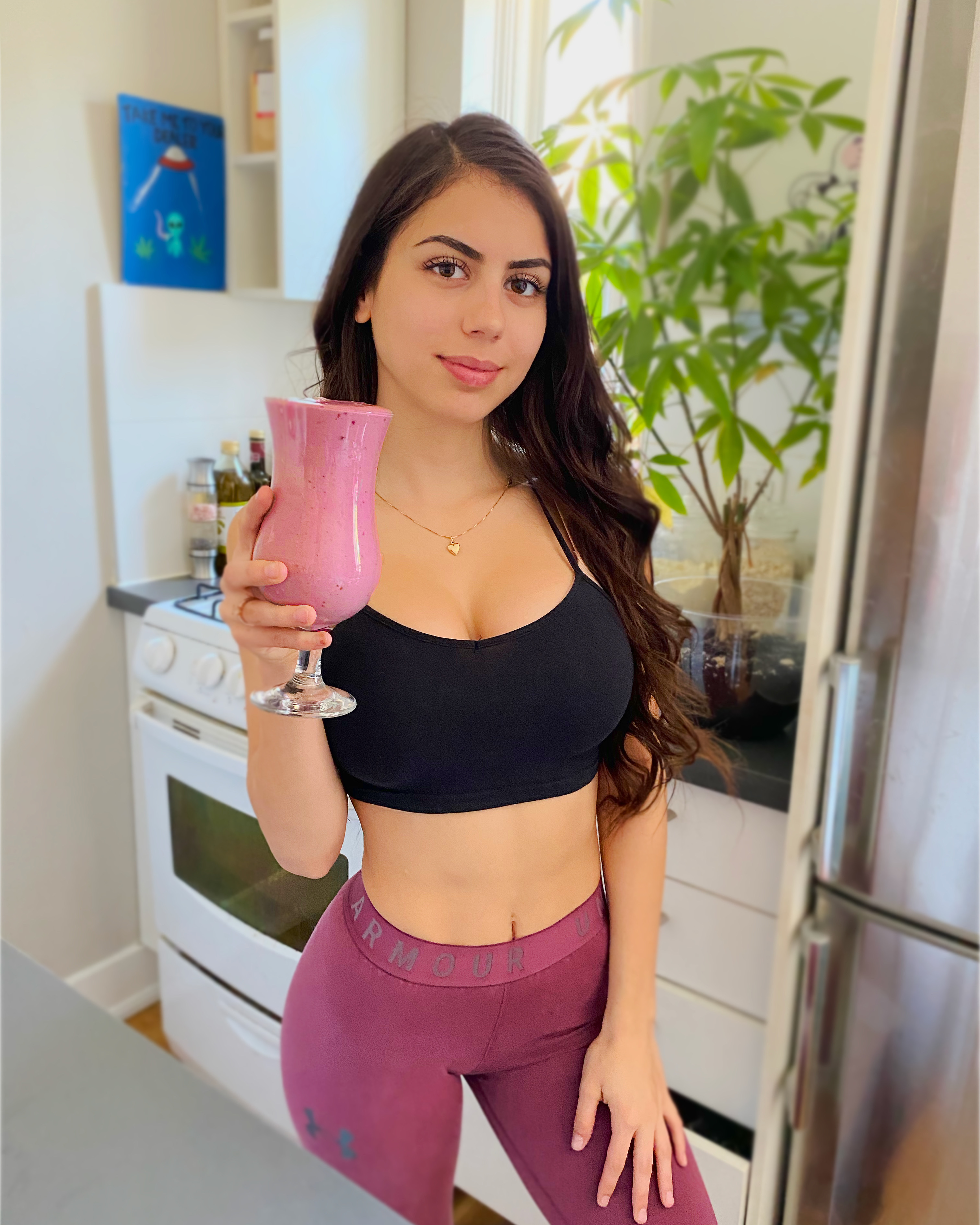
As you know, I love making smoothies and fresh fruit juices every morning! One of my favourite ingredients to put in my smoothies are mixed berries because they’re high in antioxidants. Antioxidants are molecules that fight free radicals in the body and decrease the risk of conditions such as diabetes, heart disease & cancer. Antioxidants are also crucial for youthful looking skin!
But before we get into the amazing benefits of antioxidants, we must first discuss free radicals and oxidative stress.
Free Radicals and Oxidative Stress
Free radicals are unstable molecules that are highly reactive. They are constantly being formed in our bodies and are necessary for certain functions such as helping our cells fight off infections. However, there must be a balance between free radicals and antioxidants, otherwise oxidative stress will occur.
Over a long period of time, oxidative stress can accelerate aging, damage DNA and even lead to cell death.
Certain lifestyle factors and dietary habits can promote free radical formation and therefore cause oxidative stress:
Smoking Cigarettes
Alcohol Consumption
Toxins
Air Pollution
Intense Exercise
Too much sun exposure
Dietary Habits- Red & Processed Meats
Antioxidant Deficiency
All About Antioxidants!
Alright so now that we have talked a lil bit about free radicals and oxidative stress, let’s talk about antioxidants! So as I mentioned earlier, antioxidants are molecules that fight off free radicals in our bodies preventing oxidative stress. Our bodies can generate antioxidants such as glutathione, but we should really be getting our source from fresh fruits and vegetables. Plant based foods are a great way to get your fix because they contain varying kinds of antioxidants such as Vitamins C and E.
Different Types
There are two types of antioxidants: water-soluble and fat-soluble.
Water soluble antioxidants work in the fluid inside and outside of cells, whereas fat-soluble antioxidants work largely in the cell membrane. The three most important dietary antioxidants include Vitamins C, E and flavonoids.
Vitamin C is a water-soluble antioxidant that protects against oxidative stress induced damage. It’s also an essential nutrient that boosts our immunity and promotes the look of healthy skin.
Vitamin E is fat-soluble and also protects against oxidative stress. Vitamin E is great for the skin because it protects our cell membranes and helps neutralize free radicals.
Flavonoids are phytonutrients that are found in plant based foods. They’re beneficial in reducing oxidative stress, boosting immunity and promoting overall health.
Plant foods that are high in antioxidants include berries (blueberries, strawberries, goji berries, raspberries), artichokes, kale, spinach and beans.
It’s so important to make sure that you are getting a decent amount of antioxidants daily! Antioxidants are crucial to our health and are an amazing skin food.
My favourite way to add antioxidants to my diet is making smoothies every morning! Even if berries aren’t in season, frozen berries are a great choice and they’re about the same cost wise.
Health Tip
Next time you go to the grocery store, grab a bag of frozen raspberries, mixed berries and blueberries. Throw some in a blender with some fresh bananas and soy milk and you now have the perfect skin food! 🙂
Gingerbread cookies are honestly my absolute favourite! And they’re perfect for when it’s getting cold out too. In Traditional Chinese Medicine, dried ginger is called Gan Jiang and is used in herbal medicine to warm the interior. Which basically means ginger produces a warming effect when consumed- this is great for boosting the immune system and fighting common colds!
I really like this recipe because it’s 100% plant based which means that there are no eggs, butter or dairy products. So if it makes you feel any better, these cookies are *healthier* than non-vegan gingerbread cookies 😉 And you also get to enjoy all of the benefits from the real dried herbs used!
Here’s what you’ll need:
Ingredients:
3 ¼ cups flour
2 teaspoons baking powder
1 tablespoon powdered ginger
1 tablespoon cinnamon
½ teaspoon ground nutmeg
½ teaspoon ground cloves
¾ teaspoon salt
¾ cup vegan butter (room temperature)
¾ cup brown sugar
¾ cup unsulphured molasses
1 teaspoon vanilla extract
Preparation time: 15 minutes prep time + 8 minutes bake time per batch of cookies
Serving Size: Makes about 36 medium sized cookies
Directions
In a medium sized mixing bowl, add in the flour, baking powder, ginger, cinnamon, nutmeg, cloves and salt. Mix and set aside.
In a separate large bowl, add in the butter and brown sugar. Use an electric mixer to beat until smooth (you should see no brown sugar clumps!) Add in the molasses and vanilla and continue mixing until uniform & creamy.
Begin adding the flour mixture to the butter mixture, one spoonful at a time while beating with the electric mixer. Make sure you scrape down the sides with a spoon.
As the mixture starts forming a dough, use hands to knead.
Once dough is formed, preheat the oven to 350°F/175°C.
In the meantime, sprinkle a flat surface and rolling pin with flour.
Place dough ball in the centre and roll outwards until it’s about 1/8 inch thick.
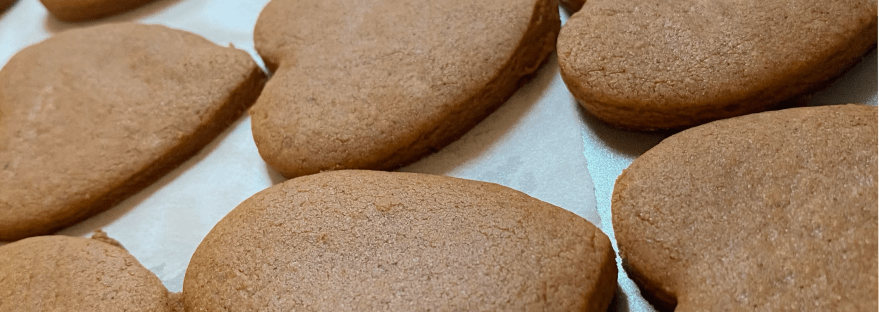
Cut dough using cookie cutters, I used small and medium sized hearts but you can use any shape you want! The classic gingerbread man is very cute~
Transfer cookie shapes to a baking sheet lined with parchment paper. These cookies don’t expand too much in the oven so you can place them about 1/2 apart.
Bake for about 8 minutes.
Let cool down a lil and enjoy while warm! You can also put them in a container and save them to snack on for a few days.
Quick Tips:
If you chill the dough for up to 3 hours, it will be much easier to handle and shape. It’s a good idea to chill it if you want your cookies to look more photogenic.
Make sure you use a larger bowl for the butter mixture because you need enough space to add the flour mixture in.
Rolling sushi is so much fun and you’ll never want to order it again once you learn how to make it yourself! Homemade sushi tastes so much better and is much more cost efficient too. I also love this spicy mayo recipe because it’s simple and the chipotle pepper sauce can be substituted for sriracha or basic hot sauce.
When it comes to rolling your own sushi at home, don’t be intimidated. I used to use a bamboo mat, but I’ve found that rolling it with my hands on a cutting board or flat surface works so much better. It’s also a lot more sanitary too- sushi bamboo mats usually get rice and toppings stuck in them so I highly suggest just rolling it with your hands! It may take a bit of practice but it’s honestly worth it in the end.
Here’s what you’ll need:
For the sushi:
For the spicy mayo:
Ingredients:
1.5 cups of rice (I used basmati)
2.5 tablespoons of white vinegar
1-2 ripe avocados
Half a large carrot, grated
Half a cucumber, cut into sticks
1 package sushi seaweed
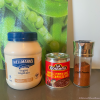
6 tablespoons vegan mayo
4 teaspoons chipotle pepper sauce
Chilli flakes (optional)
Salt + pepper to taste
Preparation time: 15 minutes to boil rice + 15 minutes to roll sushi.
Serving Size: Makes 3+ rolls depending on how much rice and toppings in each roll.
Directions for the sushi:
Rinse rice until water runs clear and boil according to instructions on package.
Once the rice is fully boiled, let cool for 5 minutes, add the white vinegar and cover. The vinegar helps the rice bind together and become more sticky.
In the meantime, prepare toppings. Avocado works best sliced, carrots work best grated and cucumbers work best cut into sticks. However, this is your time to be creative so you can add all sorts of things to your roll!
Prepare seaweed sheet by placing on a flat surface such as a cutting board.
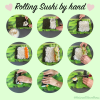
Start by taking a small spoon of rice and gently pressing it flat onto the seaweed sheet while spreading it out. The layer of rice should be generous- but not too thick otherwise it will be difficult to roll. (Check out the photos below for a reference!)
Once the seaweed is covered with a nice layer of rice, add your toppings in a neat row. You want to try your best to stack your toppings in a way that will still allow the seaweed to fold over cleanly when you roll it.
Start rolling in an outward motion with a firm grip on your toppings.
Once you reach the end, press edge of seaweed to secure, slice and enjoy!
Quick Tips:
The rice should be slightly warm when you roll your sushi. If it’s too hot, the seaweed will crack so make sure you let it cool down a bit first.
Leave a strip of seaweed at the end so that your roll will stick together properly.
It’s best to use a serrated knife (the ones with the lil grooves). I’ve found that cutting sushi with a smooth or dull knife can really tear the seaweed apart.
Other than that, have fun trying out this recipe! The vegan spicy mayo tastes really great on burgers too 😉
Losing weight is one of those things that can be completely dreadful or a fun way to change your lifestyle habits depending on how you look at it. I cannot stress how important attitude is when it comes to learning anything new, or changing any aspect in your life. So the main tip that I want you to take away from this blog is to please have fun with your weight loss journey!
Here are 5 healthy weight loss tips that will help you look good, and feel even better:
1. Get more dietary fiber
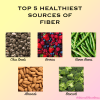
Did you know that 95% of Americans do not get enough dietary fiber? Dietary fiber is a type of carbohydrate that is naturally found in plant based foods. Research suggests that foods high in fiber are good for your metabolism, regulate digestion and keeps you feeling full for longer. Because most vegetables are low in calories but high in volume or weight, they’ll keep you feeling full on less calories. The great thing about veggies is that the majority of their volume comes from water!
The four main symptoms associated with lack of fiber in ones diet include constipation, weight gain, blood sugar fluctuations & diet related nausea. This demonstrates just how important dietary fiber really is in aiding our metabolism and overall health. To get more fiber in your diet, try substituting meat in your pasta for sautéed vegetables. You can even make a veggie pizza, or roast vegetables with a bit of oil in the oven. Yum!
2. Cut out soft drinks
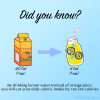
When I say soft drinks, I mean everything except for fresh fruit juice and water. It’s crazy how many new drinks, sodas and flavoured waters come out annually that literally serve no nutritional value! Take Vitamin Water for example, it’s advertised as a fast and healthy way to get a daily fix of vitamins and minerals. The truth is however, that these “healthy drinks” are loaded with an unhealthy amount of sugar, synthetic vitamins and a mix of colorants. It’s important to realize that fresh fruit/vegetable juice or water is so much healthier to drink than anything that comes from a plastic bottle!
One simple switch that will pay off huge is to start adding fresh lemon juice to your water instead of drinking store bought juice. By drinking lemon water instead, you will reduce your daily caloric intake. Research has shown that polyphenol antioxidants which are found in lemons significantly reduces weight gain and promotes healthy skin.
3. Read ingredients
Reading the ingredients of everything you consume is so important! You would be surprised by how many harmful chemicals and preservatives are added to every day foods. That’s why it’s extremely important to read the ingredients of anything processed that you buy. You will find that a good 75% of ingredients in most foods are random chemicals that you’ve never heard of and are hard to pronounce! These ingredients serve no nutritional value and are only added to extend shelf life. This is why snack foods are so cheap- the ingredients are simply not real and are lab-made. Make sure you’re consuming real foods that contain whole and quality ingredients. Ditch foods that come in plastic packaging and are high in sugars, oils and additives.
This one is huge. Whenever you get hungry or are craving something, don’t be afraid to snack! The key is to make sure you’re snacking on something healthy. If you want something sweet, don’t reach for Oreos right away- instead, have something that’s satisfying and good for you such as dates or even a tangerine. Eating store bought cookies only trains your body to crave unnaturally sweet foods and creates an endless cycle. If you train your body to eat foods that are fresh and not artificially sweetened, you will not only lose weight, but you will also break an unhealthy pattern. Your body cannot crave what you are no longer consuming!
5. Avoid eating at night
Eating food late at night is a simple way to put on weight without even knowing it. Many studies have demonstrated that the body is more likely to store calories as fat rather than burn it as energy because food is digested differently at varying times of the day. Throughout the day, our food is metabolized faster because we are up walking, running and burning off energy. But at night, our organ systems slow down in order to prepare for rest.
If you find yourself getting hungry at night, start having a bigger dinner. Most people who experience hunger at night didn’t eat enough throughout the day. My favourite thing to do is make plenty of sides when I cook! You can add sautéed vegetables, chickpeas, beans, or potatoes to virtually any meal. Plus they’re healthy, high in vitamins and will keep you feeling fuller for longer. Although, there is nothing wrong with having a small snack such as fresh fruit at night!

















 Natural Glow Wellness